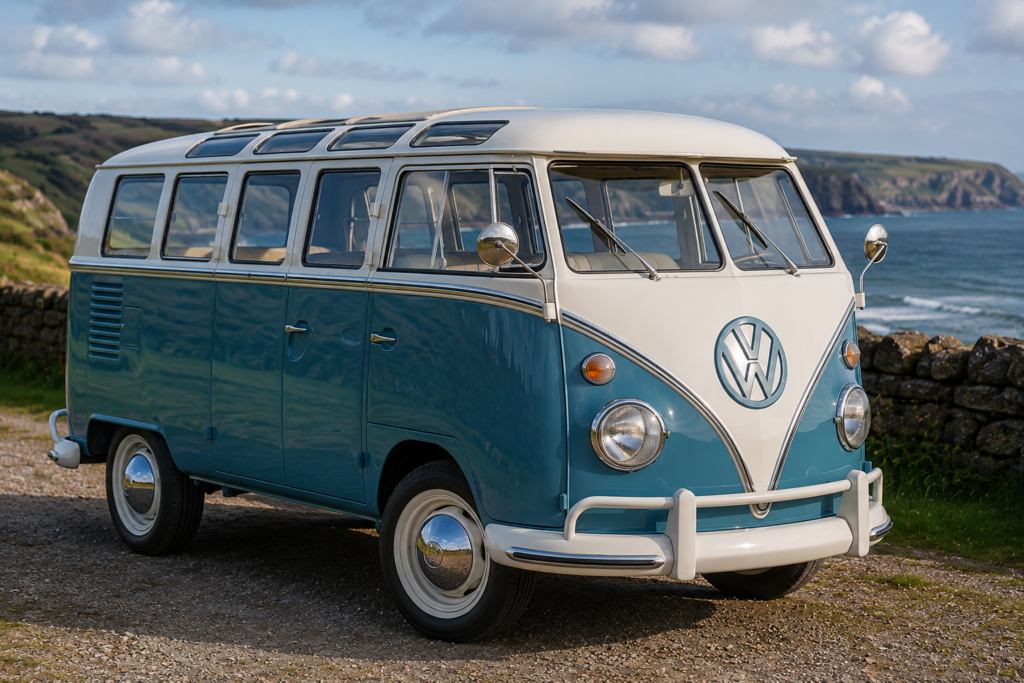
The Volkswagen Split Screen, often called the “Splittie”, is one of the most iconic vehicles ever built. Produced from 1950 until 1967 in Germany and later in Brazil until 1975, Split Screens are now highly sought-after classics. Prices have risen significantly over the last decade, making it more important than ever to buy carefully.
BEFORE YOU START
When buying a Split Screen, condition is everything.
A van with excellent bodywork and higher mileage is usually a better purchase than a cheaper van hiding corrosion.
Mechanical parts are generally easy to source and repair. Bodywork is where costs quickly become eye-watering.
Always inspect the van in daylight and never buy purely from photographs.
MODEL OVERVIEW
Early Barndoor (1950–1955)
Most collectible and valuable.
Features:
• Large rear engine hatch
• Unique engine and body parts
• Very rare
Expect to pay a premium.
Split Screen (1955–1967)
The most common Split Screen model.
Available as:
• Panel Van
• Kombi
• Microbus
• Samba
• Camper Conversion
These offer the best balance between usability and value.
Samba
The holy grail for many collectors.
Features:
• Multiple side windows
• Skylight windows
• Full-length sunroof
Original Sambas command huge money and many replicas exist.
Always verify authenticity.
RUST – THE BIGGEST PROBLEM
Rust is the number one killer of Split Screens.
Poor repairs can hide thousands of pounds worth of work.
Check carefully:
Front Nose Panel
Look for:
• Bubbling paint
• Filler
• Poor welding repairs
A replacement front panel is expensive to fit correctly.
Windscreen Surround
Water collects around seals.
Look for:
• Rust bubbles
• Soft metal
• Previous repairs
Front Cab Floor
Lift mats and carpets.
Check for:
• Holes
• Thin metal
• Patch repairs
Jacking Points
Commonly rotten.
Many vans still look good but have unsafe jacking points.
Outriggers
Structural supports underneath.
Inspect thoroughly.
Replacement requires extensive welding.
Chassis Rails
Critical structural area.
Look for:
• Heavy rust
• Fresh underseal hiding repairs
• Welding quality
Cargo Floor
Check inside and underneath.
Water ingress often destroys the floor.
Wheel Arches
Inspect:
• Front arches
• Rear arches
• Inner arches
Poor repairs are common.
Battery Trays
Frequently rusted.
Especially on camper conversions.
ENGINE OPTIONS
1200cc
Reliable but slow.
Suitable for local driving.
1500cc
More usable.
Popular among enthusiasts.
1600cc Twin-Port
Most common upgrade.
Offers:
• Better performance
• Easier parts availability
• Improved drivability
Often the best choice.
ENGINE CHECKS
Listen for:
• Knocking noises
• Excessive valve train noise
• Oil leaks
Check:
• Oil pressure warning light
• Cold start performance
• Blue smoke
Blue smoke usually means engine wear.
GEARBOX CHECKS
Split Screens are not quick vehicles.
However:
• Gear changes should feel positive
• No jumping out of gear
• No excessive whining
Rebuilt gearboxes are expensive.
STEERING AND SUSPENSION
Expect some play compared with modern vehicles.
Avoid vans with:
• Excessive wandering
• Heavy steering
• Knocking noises
Check:
• King pins
• Steering box
• Drag links
• Track rods
BRAKES
Original drum brakes can work well when properly maintained.
Check:
• Pulling to one side
• Leaks
• Spongy pedal
Many vans have front disc conversions.
These can improve usability.
ELECTRICAL SYSTEM
Early vans used 6-volt electrics.
Many have been converted to 12 volts.
A 12-volt conversion is generally preferable.
Check:
• Lights
• Indicators
• Charging system
• Wipers
• Horn
CAMPER CONVERSIONS
Many Split Screens have been converted into campers.
Popular conversions include:
• Westfalia
• Devon
• Dormobile
Original conversions often command higher values.
Check for:
• Damp
• Rot
• Poor DIY modifications
MATCHING NUMBERS
For collectors, matching numbers add value.
Check:
• Chassis number
• Engine number
• Vehicle paperwork
Originality matters significantly at the top end of the market.
COMMON PROBLEMS
• Rust everywhere
• Poor previous repairs
• Worn steering components
• Oil leaks
• Overheating
• Electrical faults
WHAT A GOOD SPLIT SCREEN LOOKS LIKE
✓ Solid chassis
✓ Good quality welding
✓ Minimal filler
✓ Starts easily
✓ Drives straight
✓ Complete paperwork
✓ Original features retained
✓ Dry interior
RED FLAGS – WALK AWAY IF YOU SEE THESE
✗ Structural rust
✗ Fresh underseal hiding repairs
✗ Missing paperwork
✗ Poor welding
✗ Significant accident damage
✗ Engine smoke and low oil pressure
✗ Seller unwilling to allow inspection
CURRENT UK MARKET VALUES (2026)
Project Van
£8,000–£20,000
Usable Driver
£20,000–£40,000
Good Camper
£35,000–£60,000
Excellent Restored Example
£60,000–£100,000+
Genuine Samba
£80,000–£200,000+
FINAL THOUGHTS
A Volkswagen Split Screen is more than just a van – it is one of the most recognisable classic vehicles in the world. Buy the best bodywork you can afford, verify any restoration work, and don’t be tempted by a cheap van hiding expensive rust repairs.
A solid, well-maintained Split Screen will hold its value, attract attention everywhere it goes and provide one of the most enjoyable classic VW ownership experiences available.
VW Van Hub Rating: ★★★★★ Classic Icon
